
Testing for radon before a basement remodel is one of the smartest planning steps a homeowner can take. It is not the most visible part of the project, but it can have a major effect on indoor air quality and on how confidently you move forward with enclosing the space.
Radon is a naturally occurring gas that can enter homes through foundation cracks and openings in contact with the soil. Because basements are below grade, they are often the first place where radon becomes a concern.
Once a basement is finished and used more often as living space, the importance of indoor air quality becomes even greater. For Pennsylvania homeowners, this is especially relevant. Radon is commonly discussed as part of basement planning because the state has many areas where elevated indoor radon levels are possible.
If you are going to invest in a basement remodel, it makes sense to test before the walls are closed and the new space is in daily use.
Should you test for radon before finishing your basement?
Yes. If you are planning a finished basement in Pennsylvania, it is wise to test for radon before remodeling so you can address any elevated levels before the new living space is enclosed and regularly occupied. This is a simple step that can prevent more complicated corrections later.
Why radon testing matters before a remodel
A finished basement is used differently than unfinished storage space Once the basement becomes a family room, office, bedroom, gym, or guest area, people spend more time there. That changes how important air quality becomes in everyday use.
Mitigation is easier to plan before finish work is complete
If testing shows elevated radon levels, mitigation can often be integrated more cleanly before the basement is fully finished. That can make the final result more organized and less disruptive.
Basements are naturally the first place to evaluate
Since basements sit closest to the soil, they are often the right starting point for radon testing in the home.
What radon is and how it enters a basement
Radon forms naturally in the ground and can enter through:
– Foundation cracks
– Slab joints
– Gaps around pipes
– Sump pits
– Other small openings where the home meets the soil
It is odorless and invisible, which is why testing matters. You cannot reliably detect it based on how the basement looks or smells.
When to test for radon during basement planning
Before finalizing the remodel scope Testing early gives you a chance to include mitigation if needed before framing, drywall, flooring, and trim are installed.
Before converting the basement into sleeping or living space If the remodel includes a guest room, in-law space, office, gym, playroom, or media room, radon testing becomes even more relevant because the space will be occupied regularly.
Before choosing finish systems that may hide access It is easier to account for future access and routing when the basement plan is still flexible.
What happens if radon levels are high?
A mitigation system may be recommended Radon mitigation typically involves venting the gas safely before it accumulates indoors. The specific solution depends on the house and the existing foundation conditions.
It should be resolved before the basement is fully finished
A mitigation system can often be installed in a cleaner, more coordinated way before the remodel is complete.
It becomes part of the overall planning conversation This is not separate from basement remodeling. It is one more example of why basements require basement-specific planning.
Radon and other pre-finish basement checks
Radon testing should be part of a broader readiness review that also considers:
– Moisture and waterproofing
– Drainage conditions
– Insulation strategy
– Egress if sleeping areas are planned
– HVAC and ventilation
– Permit requirements
The strongest finished basements are built on a complete plan, not just a finish package.
Real-world basement planning at KPS
KPS positions basement remodeling around clear process, durable results, and basement-specific expertise, which is exactly the right framework for pre-finish issues like radon, moisture, and code planning.
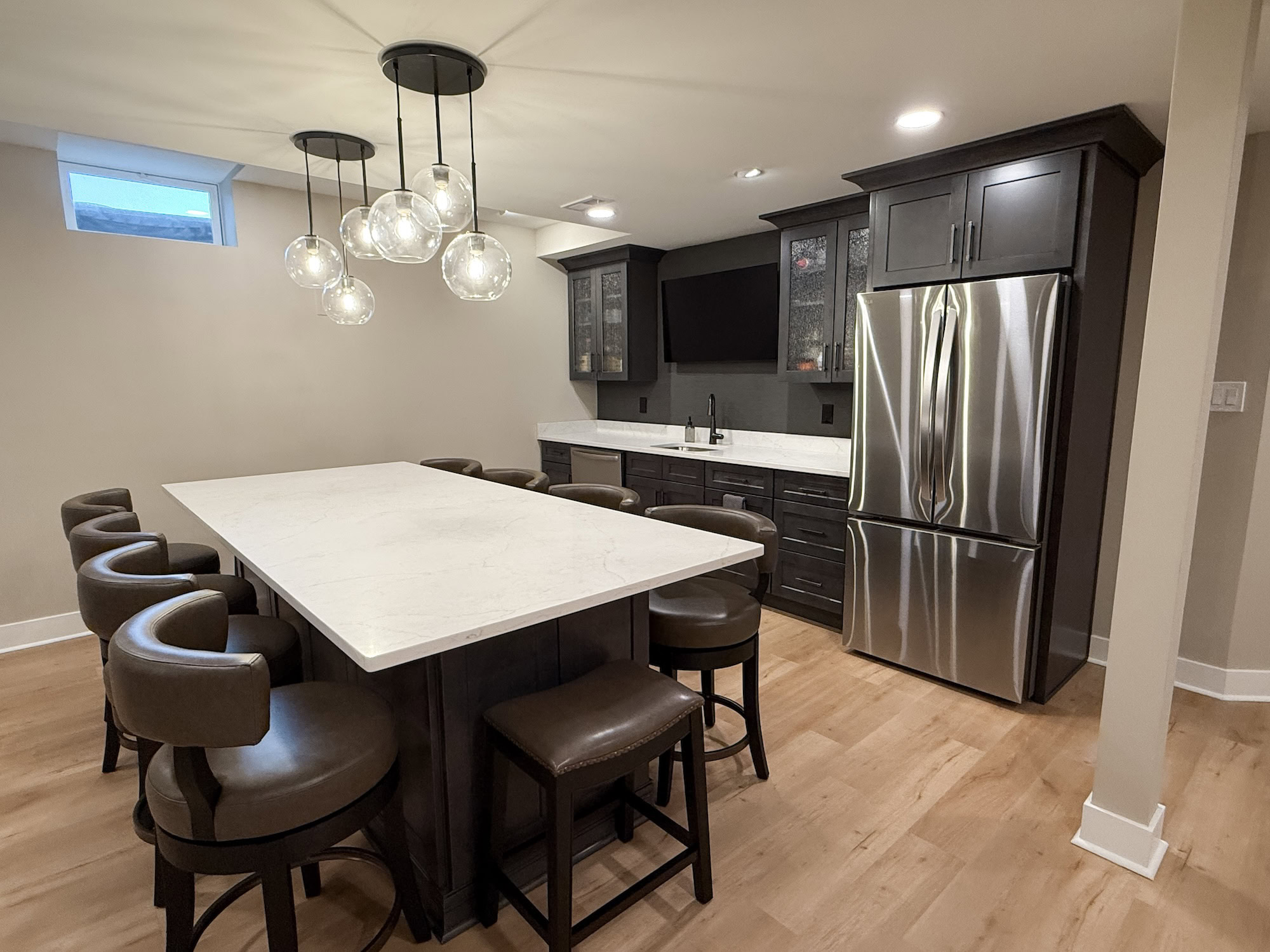
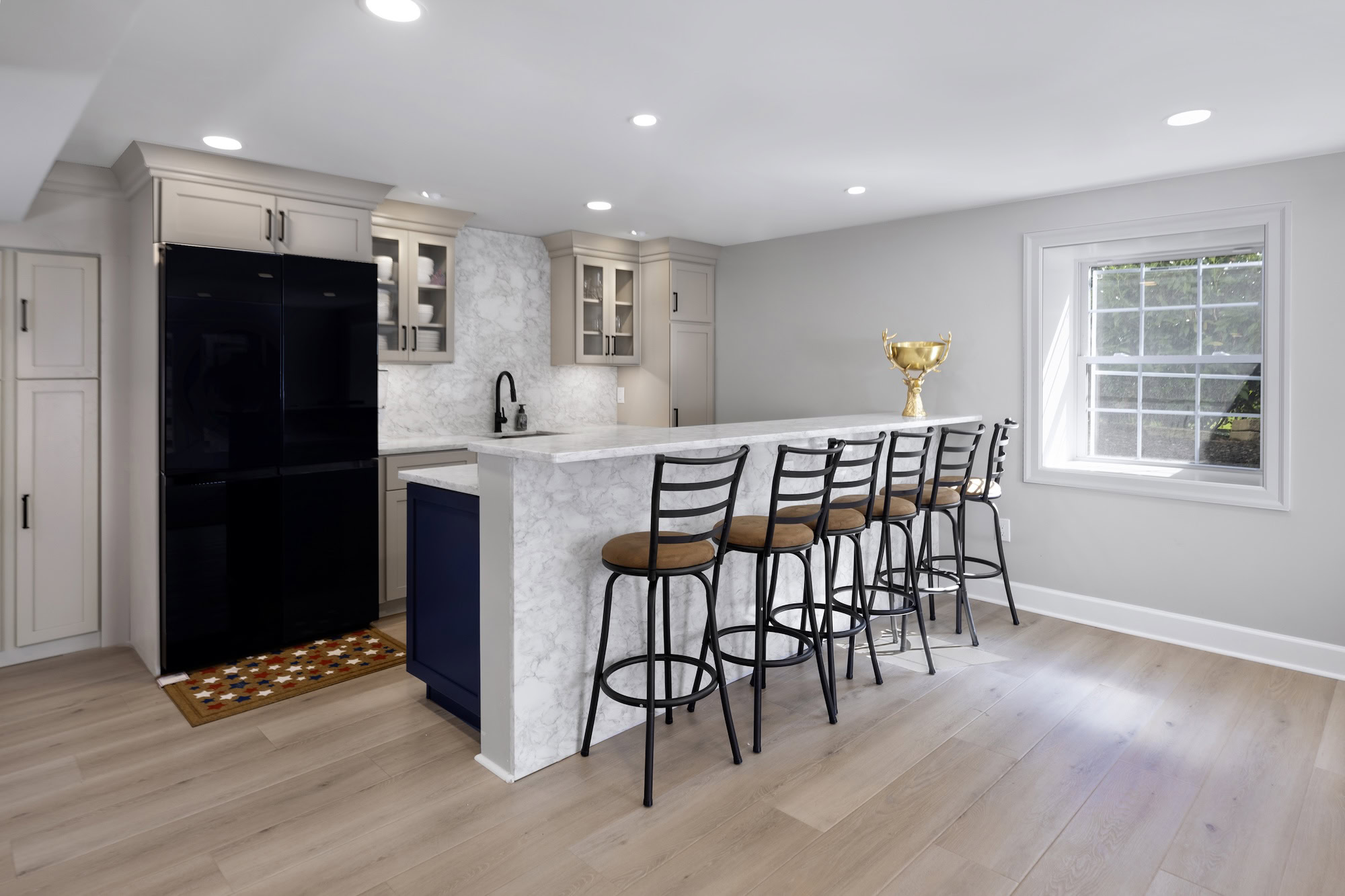
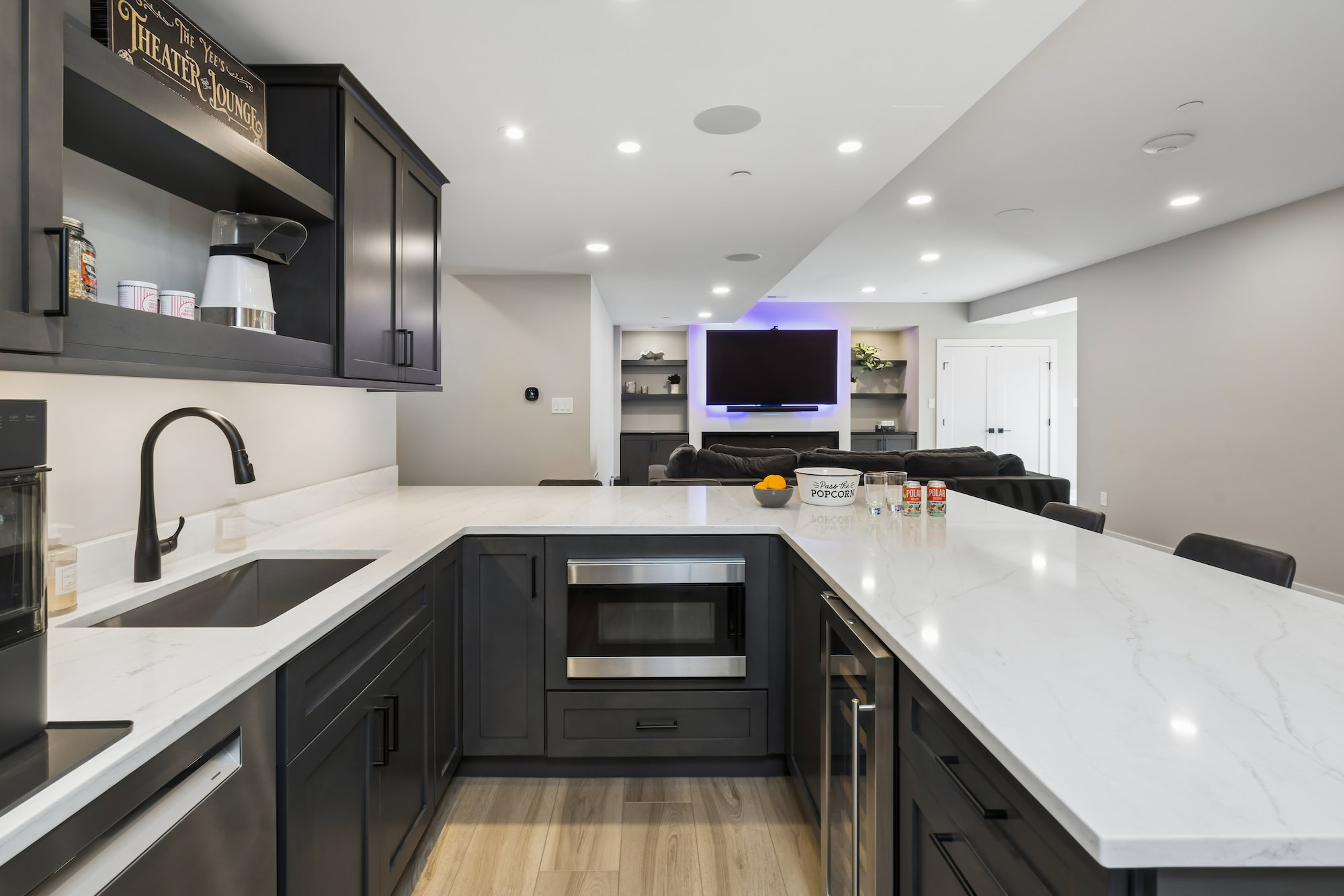
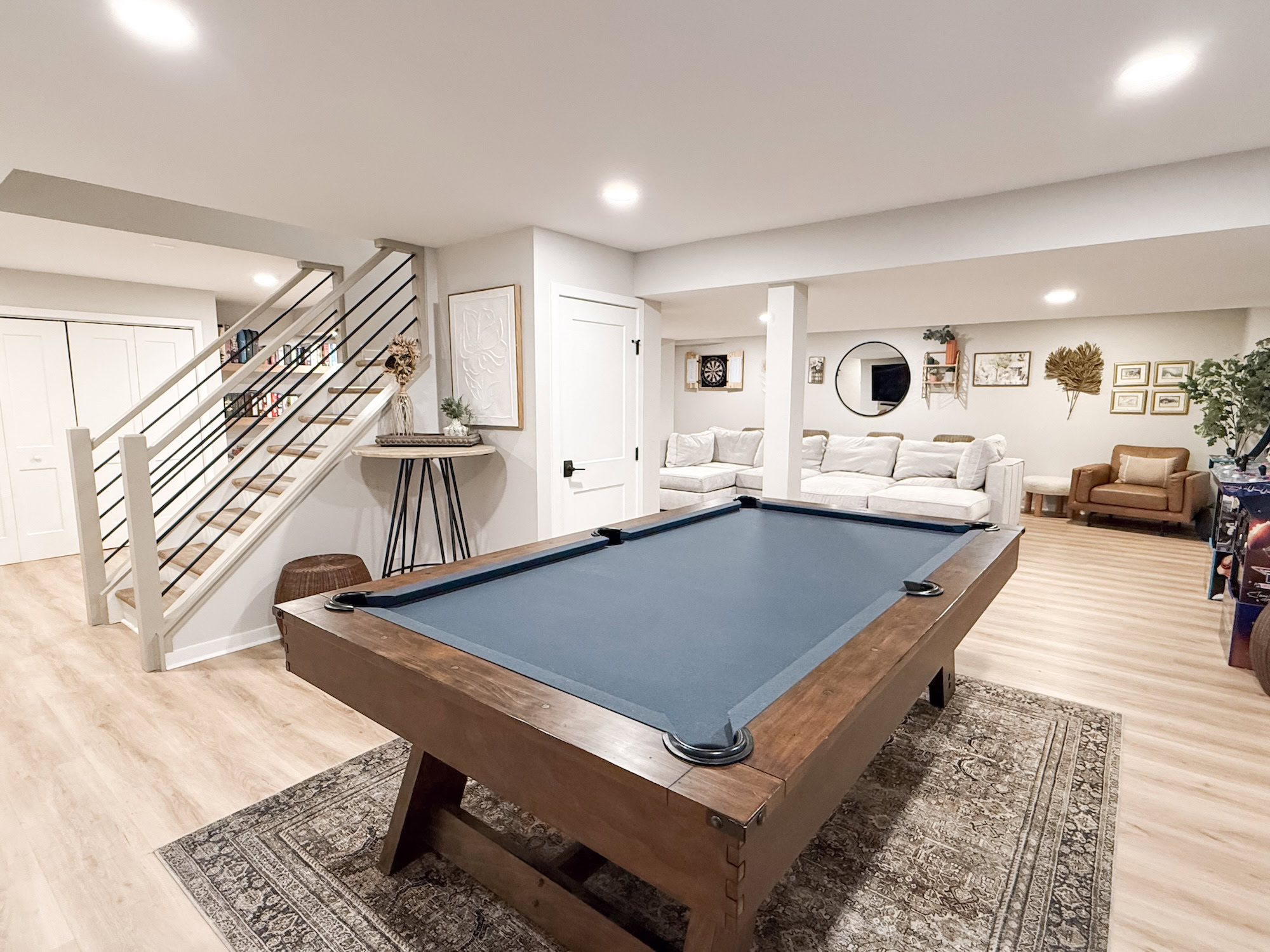
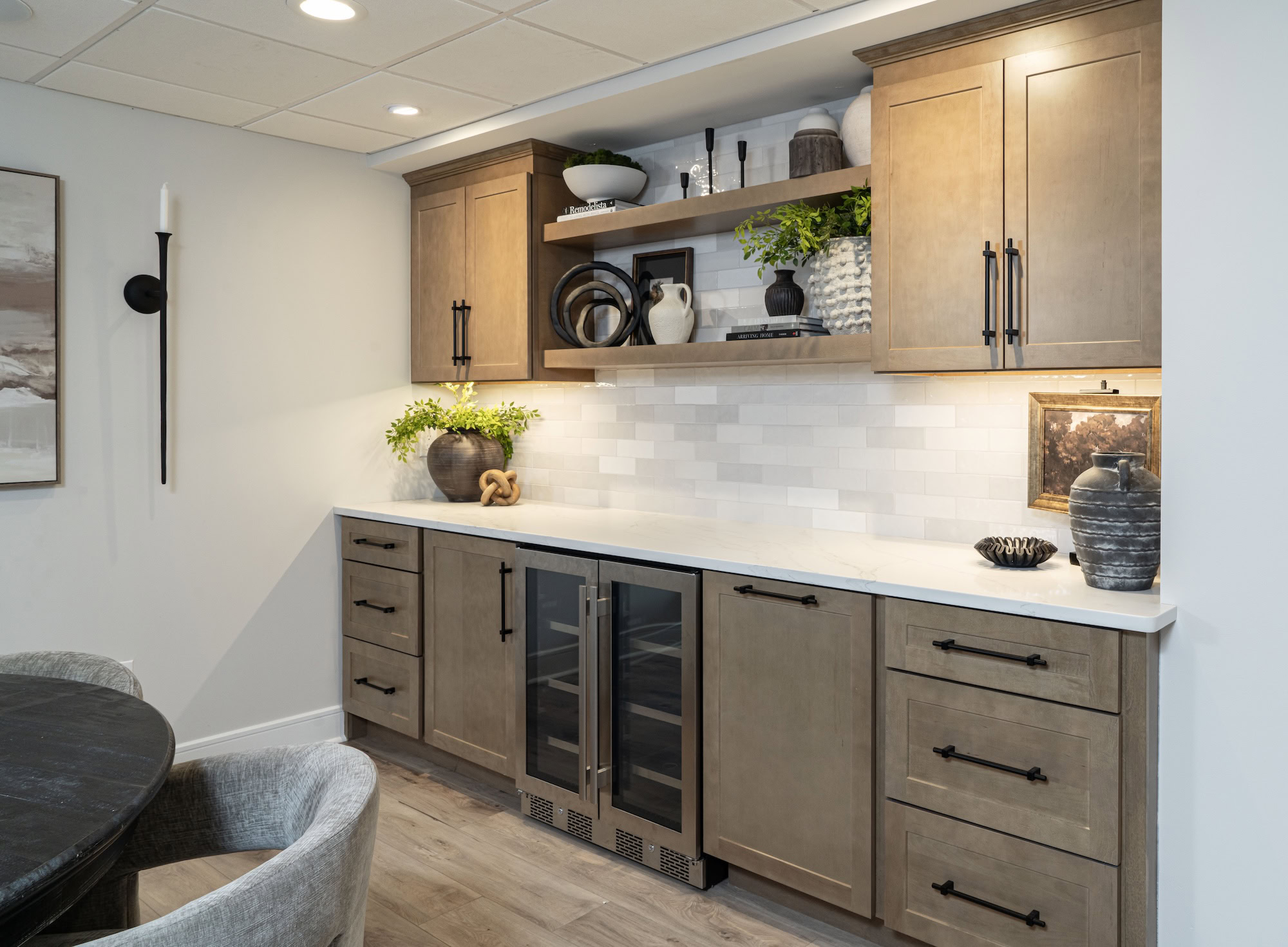
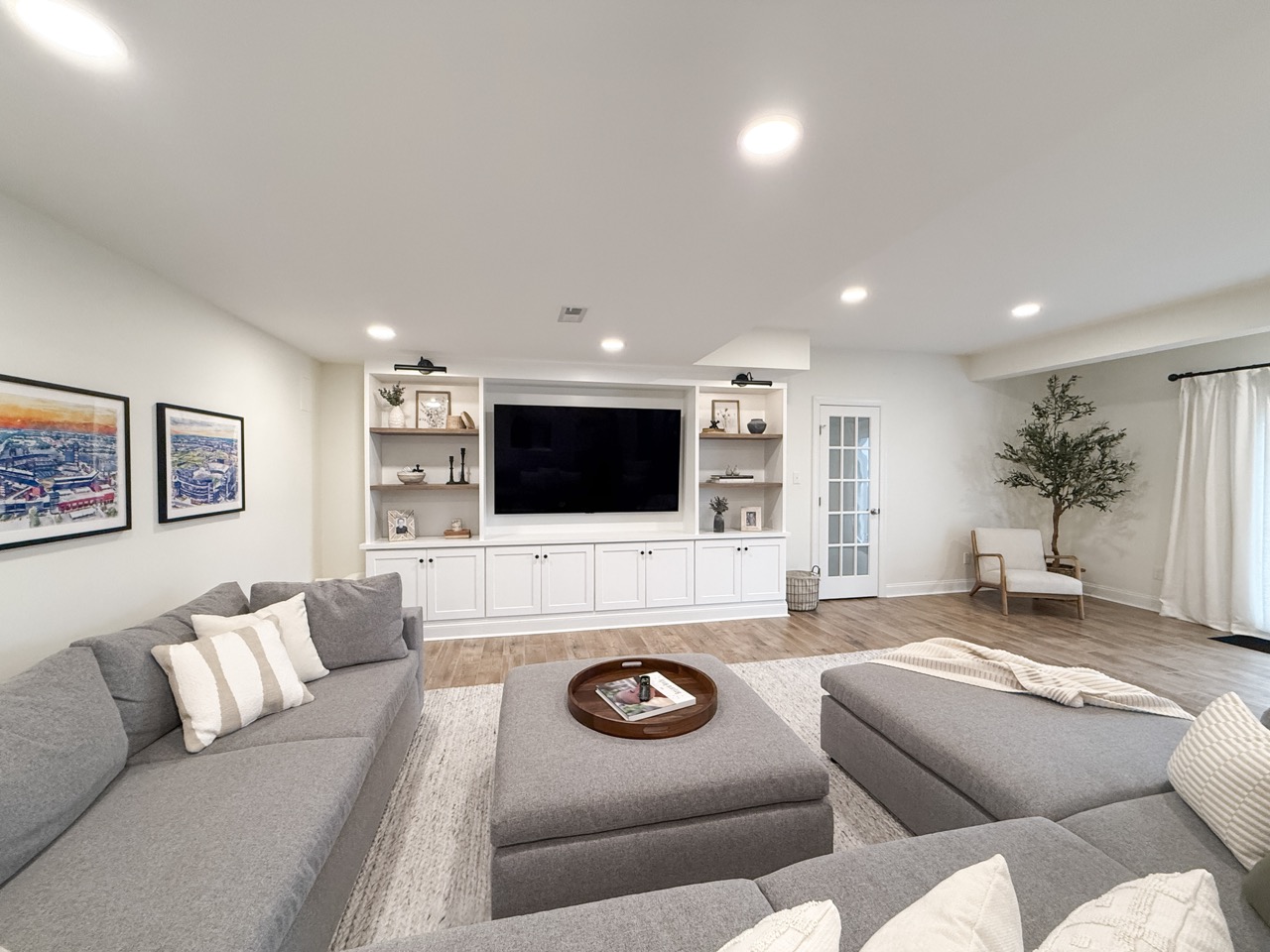
Projects such as the Chester Springs Walkout Basement and Custom Craftsman-Style Basement show how basements can be tailored for guests, work, fitness, and entertainment when the underlying planning is handled carefully. Those spaces work because the project is approached as a full living-space conversion, not just a cosmetic update.
Common misconceptions about radon and basement finishing
“If the basement seems dry and clean, radon is probably not an issue.” Radon is not visible, so appearance tells you very little.
“I can test after the basement is finished.” You can, but testing before remodeling is usually more practical because it gives you more flexibility if mitigation is needed.
“Radon only matters if I am adding a bedroom.” Any finished basement that will be occupied regularly should be considered for radon testing, not just sleeping spaces.
FAQs
Is radon common in Pennsylvania basements?
It can be. Pennsylvania homeowners often include radon in basement planning because elevated levels are a known concern in many parts of the state.
Should I test for radon before finishing my basement?
Yes. Testing before remodeling helps you address any issue before the space is enclosed and used more frequently.
Can radon be fixed if the test is high?
Yes. A mitigation system can often reduce radon levels effectively, but it is best to plan for it before the basement is fully finished.
Does a walkout basement still need radon testing? It can. Walkout access does not automatically eliminate radon concerns.
Is radon testing only important for basement bedrooms?
No. Any finished basement used for living, work, exercise, or entertainment can benefit from radon testing.
Testing for radon before finishing your basement
Testing for radon before finishing your basement is a practical step that protects both the investment and the people who will use the space. In Pennsylvania, where radon is a known basement planning issue, early testing gives homeowners more clarity and more options. A finished basement should be comfortable, durable, and safe, and that starts before the finish work begins.
If you are planning a basement remodel, start with a process that addresses real basement conditions before construction begins. Learn more about Basement Finishing or contact us to discuss a project built around comfort, code, and long-term performance.