
Waterproofing is one of the most important parts of a basement remodel, even though it is rarely the most visible. Homeowners often focus first on layout, finishes, or design ideas, but none of that matters if the basement has unresolved moisture issues behind the walls or under the floor.
In Pennsylvania, basement moisture is a recurring concern. Humidity, seasonal groundwater pressure, foundation cracks, poor exterior drainage, and condensation can all create problems that make a finished basement less durable and less healthy over time. That is why waterproofing and moisture control need to happen before insulation, framing, drywall, or flooring are installed.
A finished basement should not just look good on the final walkthrough. It should stay dry, stable, and comfortable for years. That only happens when moisture risks are evaluated honestly and addressed early.
How do you waterproof a basement before finishing?
To waterproof a basement before finishing, start by identifying the source of moisture, correct exterior drainage issues, address foundation cracks or water intrusion points, manage humidity, and choose basement-appropriate materials and wall systems for the remodel. In other words, waterproofing is not just one product or one step. It is a system of decisions.
Why waterproofing should happen before design decisions
Moisture can damage finished materials quickly
Drywall, flooring, trim, insulation, and cabinetry can all fail if water intrusion or persistent dampness is ignored.
Hidden moisture leads to mold and air quality problems
Even if visible leaks are minor, trapped moisture behind new finishes can create larger issues over time.
It is easier to solve problems before walls are closed
Once the basement is framed and finished, access becomes harder and corrections become more expensive.
Signs your basement may need moisture work first
Some warning signs are obvious. Others are easier to miss. Look for:
– Musty odors
– Damp walls or flooring
– White mineral deposits on masonry
– Efflorescence or staining
– Cracks in foundation walls or slab
– Condensation on pipes or walls
– Past water intrusion after heavy rain
– High humidity or sticky air
Even a basement that does not actively flood can still have enough moisture to affect a remodel.
Practical steps to waterproof a basement before remodeling
Improve exterior drainage first
One of the most effective first steps is making sure water is directed away from the house. Gutters, downspouts, grading, and drainage extensions all matter. If roof runoff or grading is directing water toward the foundation, interior finish materials are being asked to compensate for an exterior problem.
Repair cracks and obvious entry points
Foundation cracks, wall penetrations, and gaps around utility lines should be evaluated and sealed appropriately. Not every crack is structurally significant, but water entry points cannot be ignored in a finished basement plan.
Address humidity and air movement
Many basement moisture problems are related to humidity rather than active leaks. Dehumidification, insulation strategy, and HVAC planning all help create a basement that remains comfortable after it is finished.
Consider interior drainage solutions when needed
In some homes, sump systems, perimeter drainage, or other water-management measures may be necessary before the remodel moves forward. The right solution depends on the source and severity of the issue.
Use moisture-conscious materials
This is where basement-specific remodeling matters. Moisture-rated drywall, appropriate insulation methods, and durable flooring choices like luxury vinyl plank can help the finished basement perform better long term.
KPS specifically emphasizes moisture assessment and the use of mold-resistant and moisture-conscious materials before basement finishing begins. That kind of planning protects the investment, especially in below-grade spaces.
Waterproofing and remodeling should work together
The wall system matters
Basement wall assemblies are different from above-grade walls. Insulation, vapor control, framing location, and finish materials all need to be selected with below-grade conditions in mind.
Flooring selection affects durability
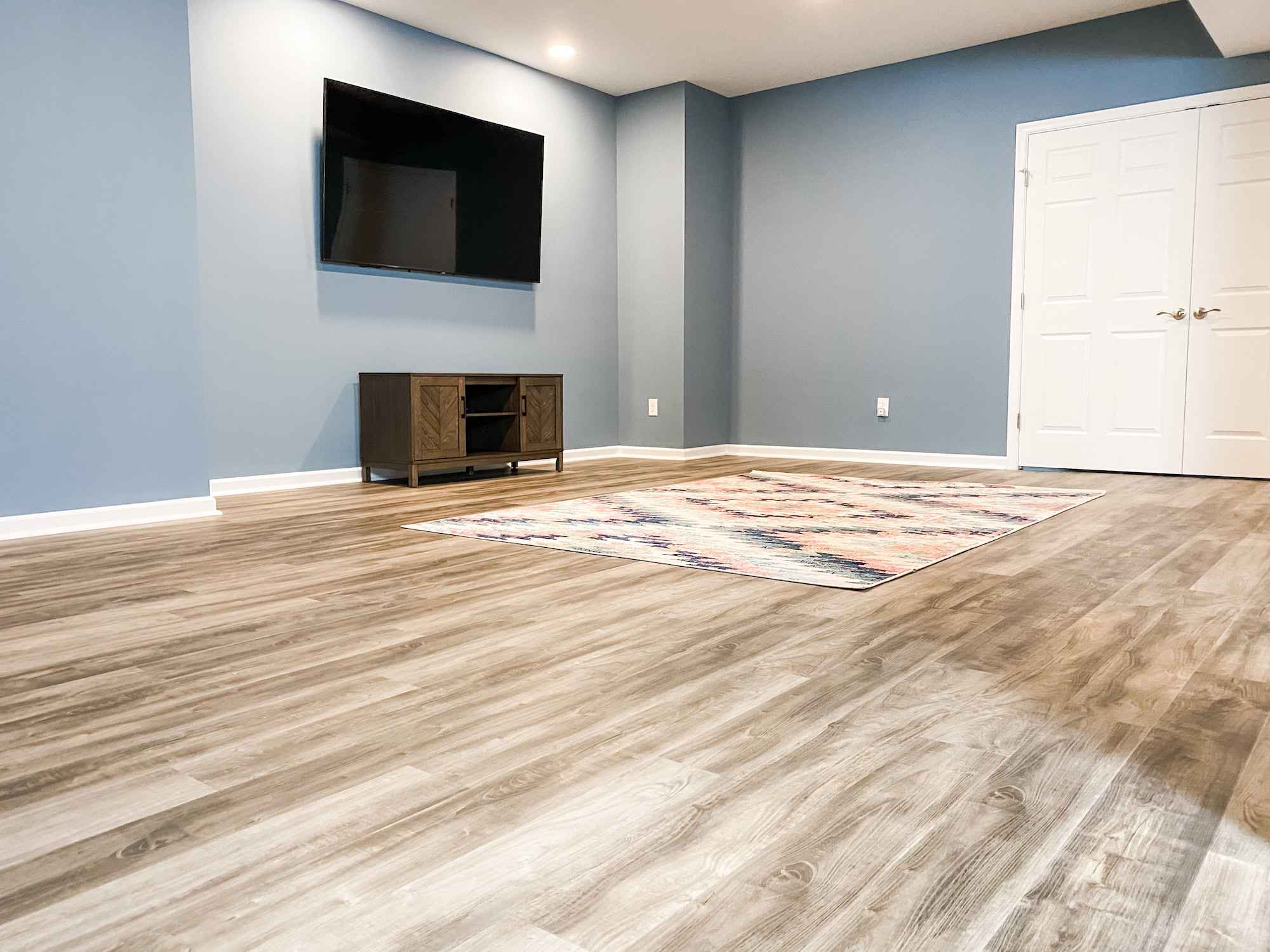
Carpet may work in some zones, but many homeowners prefer luxury vinyl plank in Pennsylvania basements because it balances comfort, appearance, and moisture resistance.
Layout decisions can support a drier, better-functioning basement
Mechanical rooms, storage zones, and access points should be positioned intentionally so the basement remains serviceable even after it is finished.
What happens if you skip basement waterproofing?
Premature finish failure
Paint peeling, swollen trim, flooring damage, and drywall staining are all common when moisture was not addressed first.
Ongoing odor and comfort issues
A basement can look complete and still feel damp or smell musty if the moisture plan was incomplete.
Expensive rework
Tearing out finished materials to fix a preventable moisture issue is one of the most frustrating and costly basement mistakes a homeowner can make.
Real examples of why planning matters
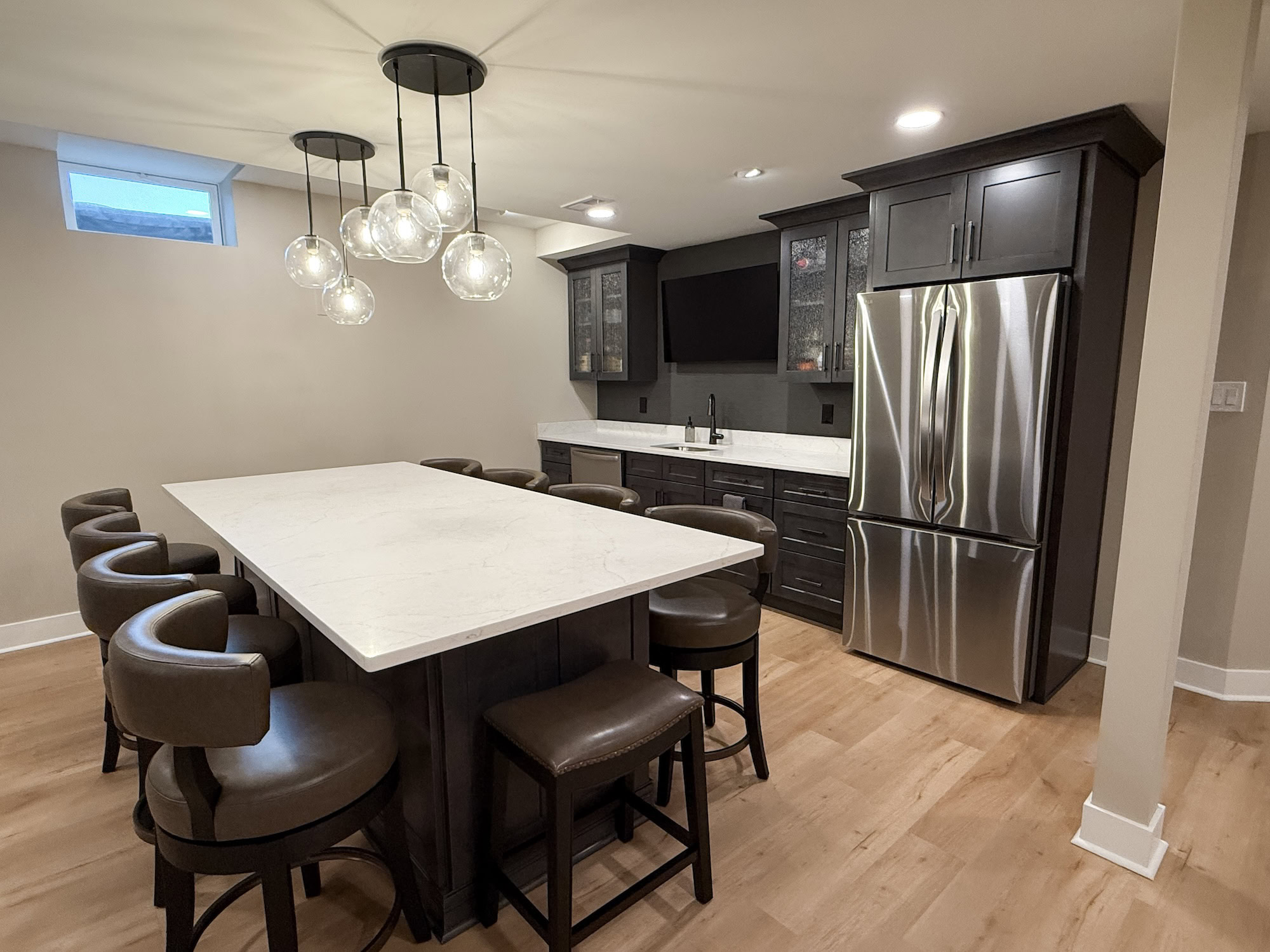
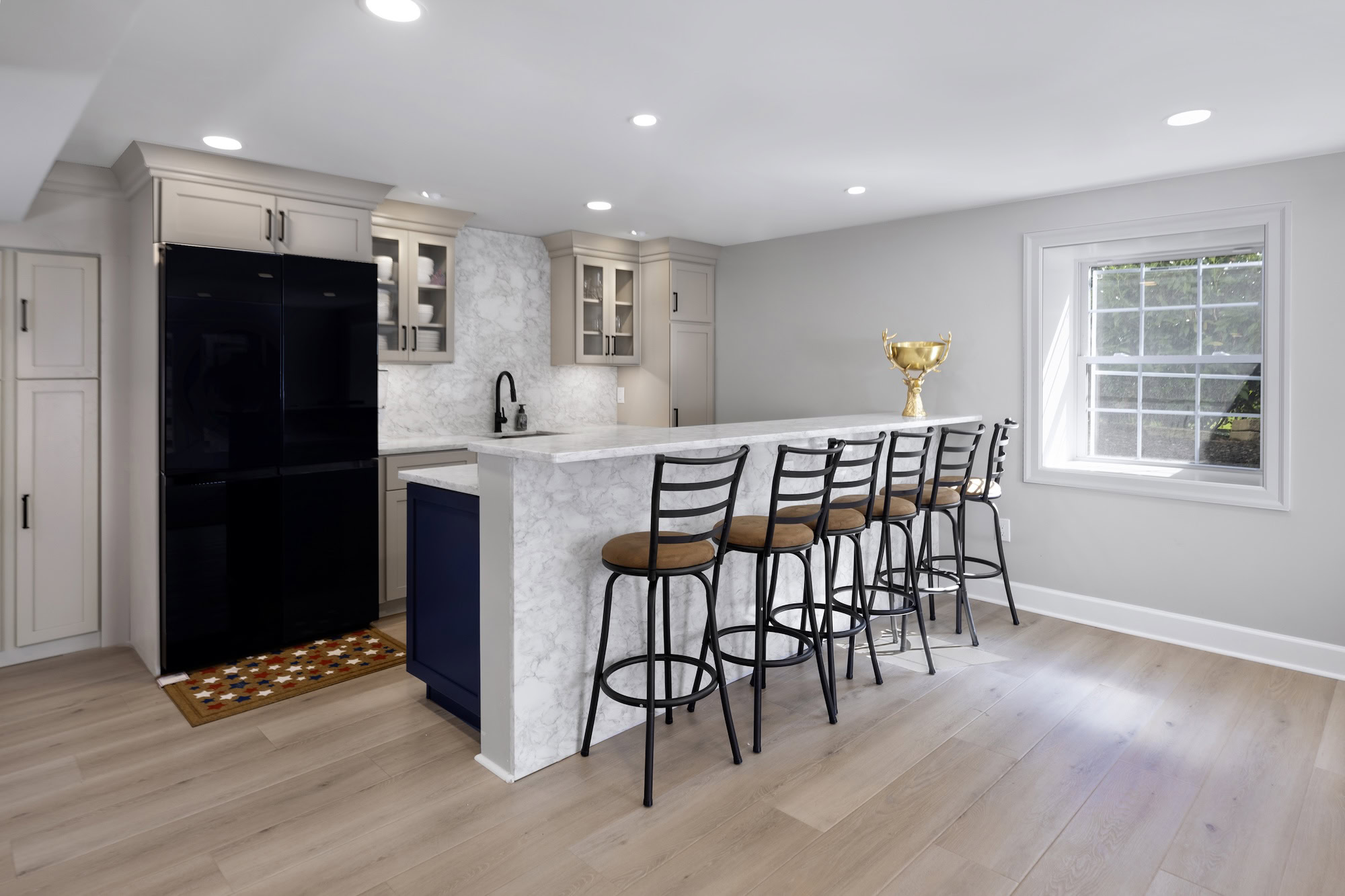
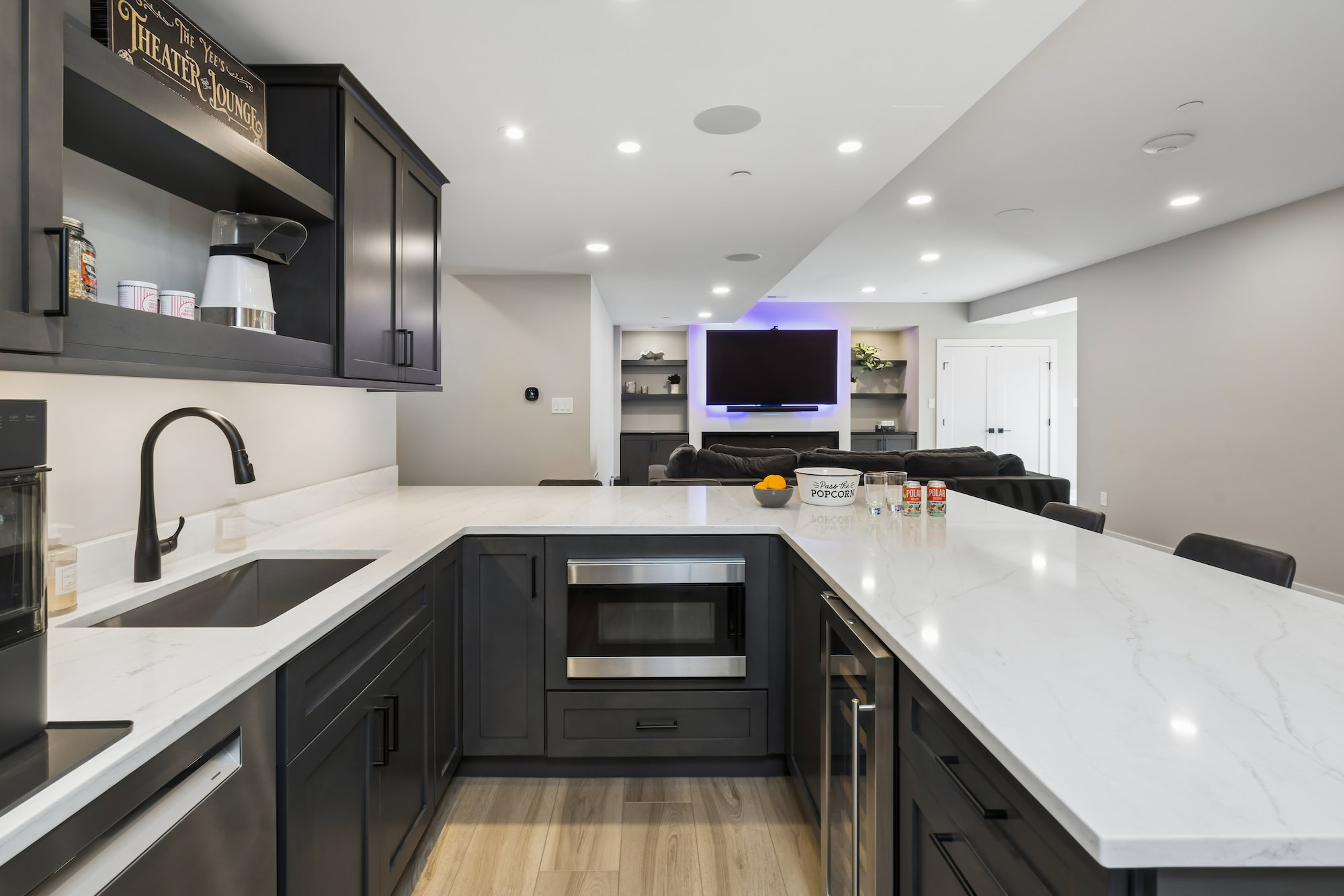
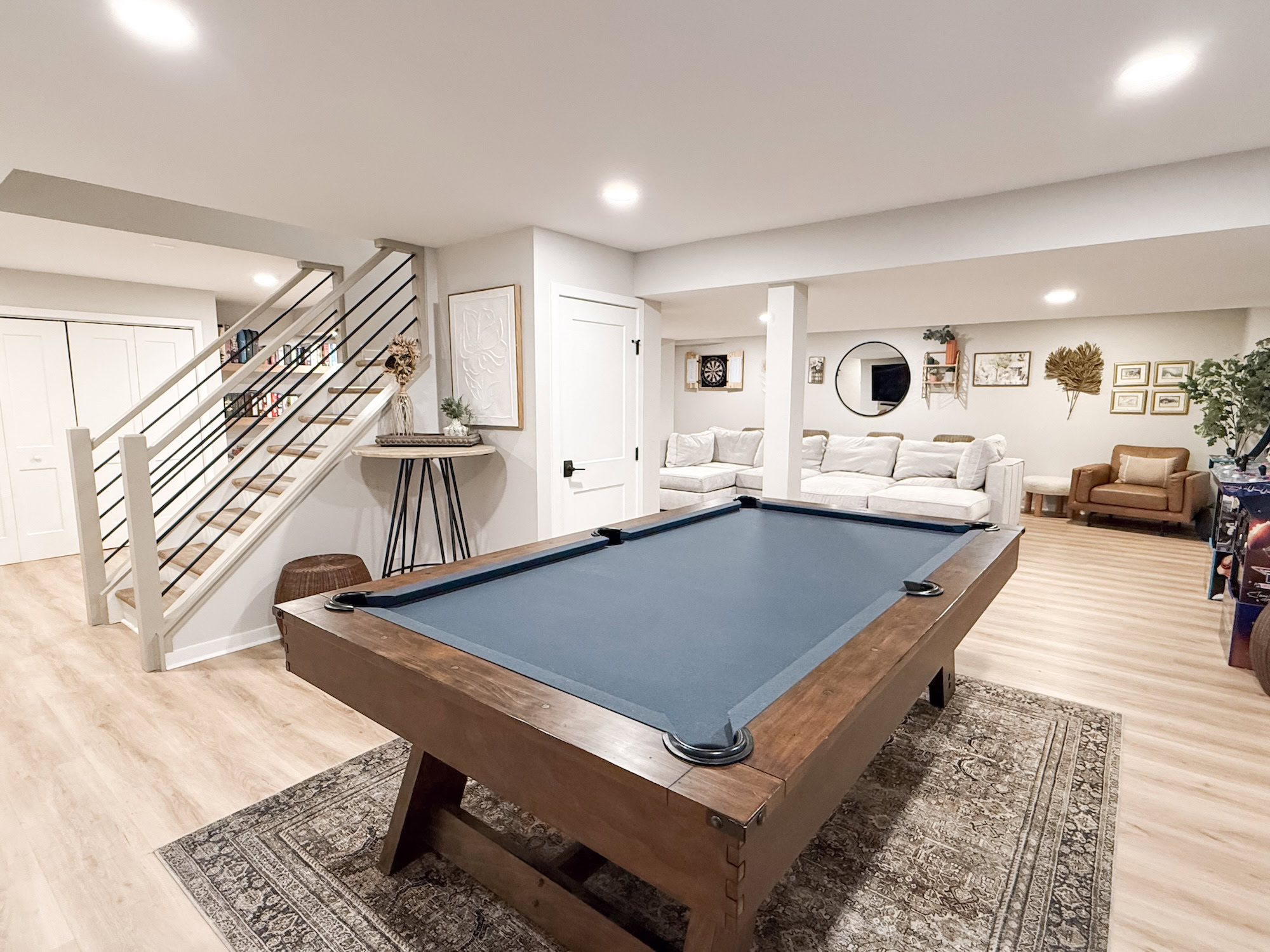
KPS project work consistently reflects the importance of durable design in below-grade spaces. The Schwenksville Walk-Out Basement Remodel and Bright Quakertown Basement both show how basements can feel bright, open, and polished when the underlying conditions and finish strategy are handled correctly.
Our approach also emphasizes clear process, material quality, and basement-specific expertise through Basement Finishing, which is exactly the mindset required when moisture control is part of the project.
FAQs
Can I finish a basement that has never flooded?
Yes, but you should still evaluate humidity, condensation, drainage, and minor moisture issues before finishing. No flooding history does not guarantee a basement is ready as-is.
What is the best flooring after waterproofing a basement?
Luxury vinyl plank is one of the most common choices because it is durable, attractive, and better suited to below-grade conditions than many alternatives.
Do I need a sump pump before finishing a basement?
Some basements do, some do not. It depends on site drainage, water history, and the overall moisture strategy.
Is basement waterproofing only an exterior issue?
No. Exterior drainage is critical, but humidity control, interior drainage, insulation, and material selection all matter too.
Should waterproofing happen before or after framing?
Before. Moisture issues should be assessed and corrected before the basement is enclosed with finished materials.
Waterproofing as a part of the Remodeling Process
Waterproofing a basement before remodeling is not optional if you want a finished space that lasts. In Pennsylvania homes, moisture control should be built into the project from the beginning through drainage corrections, crack repair, humidity management, and basement-appropriate materials. The basement may be below grade, but the planning standard should be just as high as any major living area in the home. If you are planning to finish your basement, start with a clear process and a realistic moisture strategy. Learn more about Basement Finishing or Contact Us to discuss a basement remodel designed for long-term performance.